

BC Pet Clause: What Landlords Can Enforce and How to Write It Into Your Lease
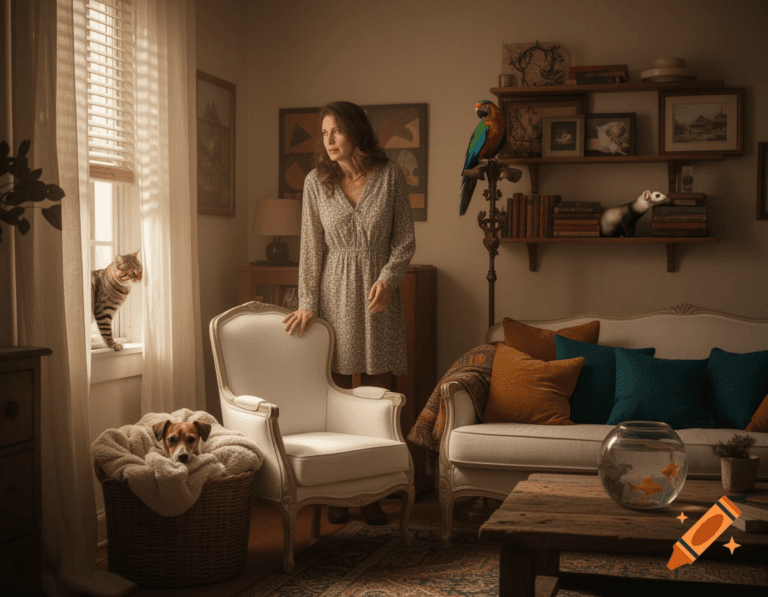
BC landlords have more flexibility on pets than landlords in Ontario, but that flexibility only helps if the rule is written properly. The RTB will enforce a pet restriction or a pet condition when it is clearly stated in the tenancy agreement and tied to the facts of the tenancy, not when it was only discussed verbally at move-in.
That means your pet policy is not a courtesy line in the lease. It is a real term of the tenancy, and if you want it to matter later, it needs to be specific, signed, and matched to the way BC tenancy law actually works.
What BC Law Allows
BC’s Residential Tenancy Act gives landlords the ability to decide whether pets are allowed and to set limits on pet size, number, and type in the tenancy agreement. If the lease says pets are not allowed, that restriction can be enforced as written, provided it does not conflict with another law or a protected accommodation issue.
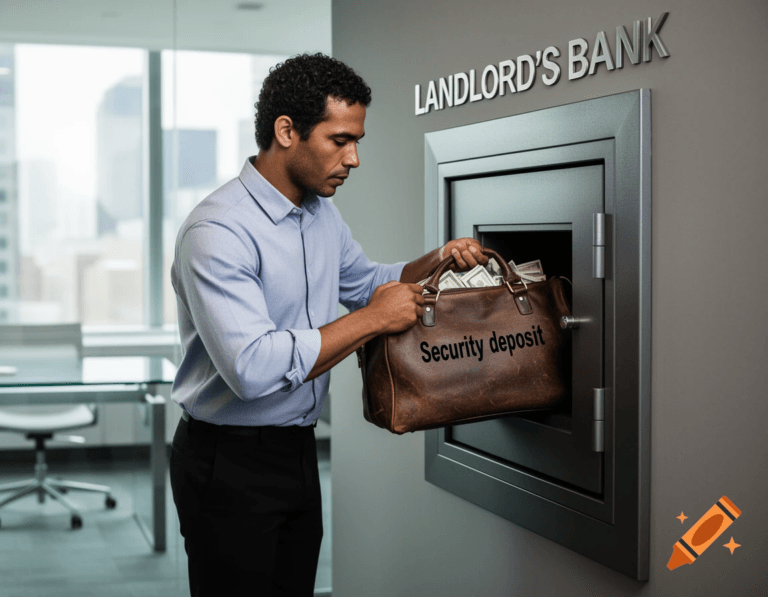
BC also allows landlords to charge a pet damage deposit of up to one-half of one month’s rent, in addition to the regular security deposit, where pets are permitted. That is a major difference from Alberta, and it is one reason the deposit language in the lease needs to be crystal clear from the start.
This is also why the BC pillar matters. If you want the bigger picture on how pet rules fit into the full package of BC lease forms, the BC Landlord Protection Addendum + Kit is built to sit alongside the RTB-1 and cover the landlord protections the standard form leaves open.
The Three Pet Policy Options
Full No-Pet Clause
If you want to prohibit pets entirely, the clause should say that no pets, animals, birds, reptiles, or other living creatures may be kept in or about the rental unit without the landlord’s prior written consent. The clause should also apply to guests’ pets and temporarily housed animals, not just animals that “belong” to the tenant.
A weak clause says only “no pets.” A strong clause defines what counts as a pet, states that written permission is required for any exception, and makes clear that unauthorized animals are a lease violation. If you want to rely on that rule later, you need the lease to say it clearly enough that an RTB arbitrator can point to the exact line.
Conditional Pet Permission
If you are willing to allow a pet, the safest structure is a conditional pet permission clause or addendum. It should identify the approved animal by name, type, breed, and approximate weight, then state that the approval applies only to that specific animal.
The clause should also require the tenant to keep the pet under control, remove waste promptly, prevent excessive noise, and pay for any damage or extra cleaning caused by the pet. If the tenant wants another pet later, the lease should require new written consent. That is the simplest way to keep the approval from expanding beyond what you actually intended to allow.
Pet Damage Clause
A pet damage clause is the part most templates miss, even when they say pets are allowed. It should state that the tenant is responsible for all damage caused by the pet, including scratches, stains, odours, chewed trim, damaged screens, and any cleaning or deodorizing required at move-out.
The clause should also make it clear that the tenant must return the unit free of pet-related residue beyond normal wear and tear. That matters if you later need to prove a deduction or file a claim. The stronger and more specific the wording, the easier it is to show that the cost was tied to the pet and not to ordinary use.
What to Put in the Clause
A BC pet clause should do more than say yes or no. It should answer the practical questions that arise later when the unit is being turned over.
Use language that covers:
- Whether pets are allowed at all.
- If allowed, which pet is approved.
- Whether additional pets need written approval.
- Who pays for pet damage.
- Whether professional cleaning is required at move-out.
- Whether flea treatment is required if applicable.
- Whether the pet can be left unattended for long periods.
- Whether barking, smell, or waste complaints can lead to enforcement.
For a landlord who wants the full lease structure around this, the BC pillar page and the pet clause article should work together: the pillar explains the framework, and this article provides the clause logic. That is the type of cluster architecture that helps users and search engines move cleanly through the content.
What Happens if the Tenant Gets an Unauthorized Pet
If the lease prohibits pets and the tenant gets one anyway, the first step is to document the breach. Note the date you became aware of the pet, how you learned about it, and any supporting evidence, such as photos, a written complaint, or the tenant’s own message.
Next, serve written notice requiring compliance. In BC, the actual response path depends on the facts and the tenancy agreement, but the point is the same: you need a written record that the tenant was told the pet violated the agreement and was given an opportunity to fix the issue. If the tenant refuses to comply, the landlord may have grounds to seek enforcement through the RTB.
Do not rely on an oral warning. If the matter ends up at the RTB, the arbitrator will care far more about the signed lease, the written notice, and the evidence of the pet than about a hallway conversation you remember clearly but cannot prove.
Pet Damage and the Deposit
If the pet caused damage, the claim must be tied to the deposit rules and documented properly. BC landlords can collect a pet damage deposit, but it is capped at one-half of one month’s rent. That deposit is separate from the security deposit and should be tracked separately in your accounting.
To support a deduction, you need:
- A signed move-in inspection report.
- Dated photos showing the unit’s original condition.
- Dated photos showing the pet damage at move-out.
- Receipts or invoices for cleaning or repairs.
- A clear statement explaining how the cost relates to the pet damage.
Without that file, the deduction is much harder to defend. With it, you have a realistic RTB claim.
How to Document Pet Damage
The best pet clause in the world does not help if the evidence is weak. Your BC pet clause should be paired with the same move-in and move-out documentation you would use for any other damage claim.
At move-in, document:
- Floors, baseboards, trim, screens, and doors.
- Carpets and upholstery if included in the unit.
- Yard condition, fenced areas, and any outdoor spaces.
- Any pre-existing pet-related wear from prior occupants.
At move-out, document:
- Scratches on floors or doors.
- Odours in carpets or soft surfaces.
- Chewed trim, damaged screens, or pet waste.
- Any extra cleaning or deodorizing needed.
The file should be neat enough that another person could understand the damage without your explanation. That is also the foundation of strong documentation for a BC Residential Tenancy Branch dispute once you need it.
Frequently Asked Questions
Can I ban pets in BC?
Yes. BC allows landlords to state whether pets are allowed in the tenancy agreement. If your lease says no pets, that restriction can be enforced as written, unless a legal accommodation issue applies.
Can I charge a pet damage deposit in BC?
Yes. BC allows a pet damage deposit of up to one-half of one month’s rent, separate from the regular security deposit. The amount must still comply with the BC deposit rules.
What if my tenant gets a pet after signing a no-pet lease?
That is a lease issue, and you should document it immediately. Serve written notice, preserve evidence, and follow the RTB process if the tenant does not comply.
Does a no-pet clause apply to service animals?
No. A legitimate service animal may be protected as a human rights accommodation issue. If that comes up, do not treat it like a normal pet dispute.
If you want a BC pet clause that actually does something at the RTB, write it into the lease before move-in and keep the rest of your file clean. The BC Landlord Protection Addendum + Kit includes the kind of lease language that lets landlords enforce pet rules without guessing later.
This article is for informational purposes only and does not constitute legal advice.