

BC Security Deposit and Pet Damage Deposit Rules: What Landlords Can Charge and Keep
BC landlords have a useful deposit structure, but it only helps if you follow the rules exactly. The province allows a regular security deposit and a separate pet damage deposit, but both are capped, and the paperwork around them matters. If your lease and receipts are sloppy, the RTB can turn a solid claim into a weak one very quickly.
This article explains what you can charge, what you can keep, how to handle deductions, and what to document from day one so the deposit process works in your favour instead of against you.
What BC Law Allows
In BC, a landlord may collect a security deposit and, if pets are allowed, a separate pet damage deposit. Each deposit can be up to one-half of one month’s rent. That means a landlord who accepts pets can hold both deposits, but neither one can exceed its cap.
The key point is that these are two separate deposits for two separate purposes. The security deposit is not automatically the same thing as the pet damage deposit, and you should never blur the two in your accounting. If you do, you create confusion about what money was collected, what it was for, and what can be deducted later.
Your lease should state both deposit amounts clearly. If the tenant is allowed to have a pet, the pet damage deposit should be identified separately from the regular security deposit and acknowledged in writing at signing. That clarity helps later if a deduction is challenged.
The Security Deposit
The security deposit is the standard deposit landlords use to cover unpaid rent or damage beyond normal wear and tear. It should be clearly named in the lease and tied to the tenancy address, the tenancy start date, and the amount collected. A receipt should be given when it is paid.
You should keep the deposit separate from your operating money and track it accurately from day one. If the tenancy ends and you owe a return, the RTB will expect a clean record of what was collected and what happened to it. If you cannot show that record, a simple deposit dispute can become a problem.
The lease should also say that deductions will be made only for amounts allowed under the Residential Tenancy Act and only with proper documentation. That helps avoid arguments that the landlord is trying to hold back money for routine cleaning or wear that is not actually deductible.
The Pet Damage Deposit
The pet damage deposit exists to help cover damage caused by pets where pets are allowed. It is not a penalty for having a pet. It is money held against actual pet-related damage that may occur during the tenancy.
If you allow pets, the pet damage deposit should be listed separately in the lease or addendum. State the amount, confirm that it is for pet-related damage only, and make clear that it is subject to the BC rules on deposit handling and return. If the tenant later gets a second pet or a different animal, the lease should say whether that changes the deposit arrangement.
A pet damage deposit does not replace a pet clause. You still need the lease language that says the tenant is responsible for damage, cleaning, odours, and restoration work caused by the animal. The deposit is just the money you may apply if the damage occurs and is properly documented.
What You Can Deduct
BC landlords can make deductions from deposits for specific costs tied to the tenancy. The usual categories are unpaid rent, damage beyond normal wear and tear, and cleaning or repair costs that are actually needed because of how the unit was left.
For pet-related deductions, the charge should be tied to actual damage or cleaning costs caused by the animal. That could include scratched flooring, stained carpet, chewed trim, odour treatment, or deep cleaning that goes beyond ordinary turnover cleaning. The deduction should not be a guess or a flat fee.
You need evidence for every deduction. Photos, inspection reports, invoices, and a clear explanation of why the charge is connected to the tenancy are what make the deduction credible. If you cannot connect the cost to the tenancy, the RTB may disallow it.
What You Cannot Deduct
Normal wear and tear is not a deductible item. That includes things like minor scuffs on walls, faded paint from ordinary living, or small nail holes from picture hanging. You also cannot treat routine cleaning as a deposit deduction unless the unit was left in a condition that genuinely required extra work.
The same applies to pet-related issues. A pet deposit is not a free pass to keep money just because a tenant had an animal. If there is no damage, no extra cleaning, and no residue beyond normal use, the deduction is weak.
This is why your move-in inspection report matters so much. If the unit was already worn or marked when the tenant moved in, you cannot later claim those same conditions as damage at move-out.
Return Timelines
BC has strict deadlines for returning deposits and handling any deductions. If the tenant owes nothing beyond what is lawfully deductible, the landlord needs to return the deposit promptly. If deductions are being claimed, the landlord must provide the required written accounting and return the balance within the required time.
This is where many landlords make the mistake of waiting too long for repair quotes or assuming they can sort it out later. You cannot treat the deposit like an open-ended hold. The timing rules are strict, and missing them can create a separate dispute even when your underlying claim is otherwise valid.
The safest approach is to do the move-out inspection immediately, gather your photos, request quotes right away, and prepare the accounting statement as soon as possible. The more delay you build in, the more likely it is that you will miss a deadline or lose track of supporting documents.
The Accounting Statement
If you are keeping any part of a deposit, the statement you give the tenant should be itemized and easy to follow. It should show the deposit amount collected, the deductions claimed, the reason for each deduction, and the balance being returned.
A vague statement like “cleaning $250” is not enough. If you are claiming damage, say what was damaged, where it was damaged, and how the amount was calculated. If you are claiming pet-related cleaning or repairs, identify the pet issue specifically and attach the invoice or estimate.
The more detailed the accounting statement, the easier it is to defend if the tenant challenges it. The RTB expects the landlord to be able to explain the claim without guessing or filling in blanks later.
How to Document Properly
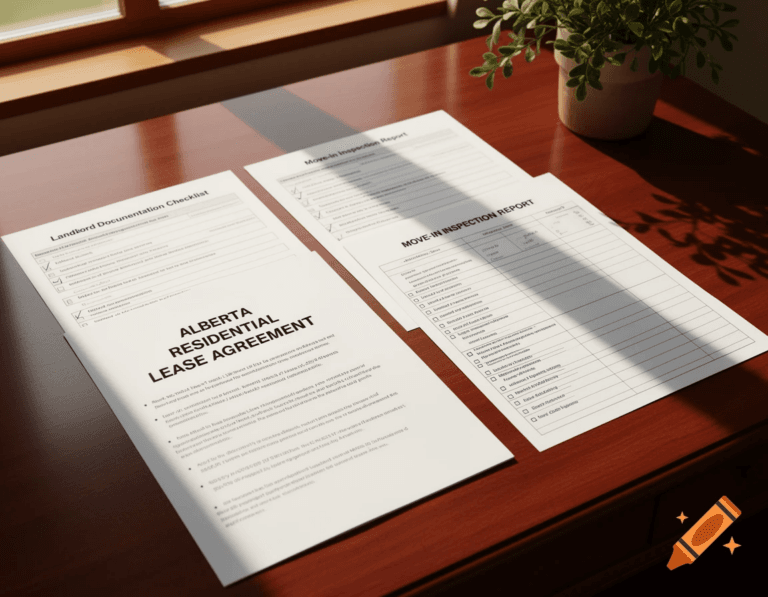
A deposit claim is only as strong as the documentation behind it. Start with a signed move-in inspection report that describes the unit’s condition before the tenant takes possession. Take photos of every room, and make sure the pictures are clear enough to show the surfaces and any existing wear.
At move-out, do the same thing. Complete a signed move-out inspection if the tenant will cooperate, and take photos of the exact areas that changed. If the issue is pet damage, photograph the damage close up and also in context so the RTB can understand where it is in the unit.
Keep all invoices, quotes, and receipts together with the inspection reports. If the claim is for odour removal, floor replacement, or repainting, the cost needs to be backed by actual work orders or invoices. This is the same basic file structure you want for any RTB dispute, and it is much easier to keep organized when your whole tenancy file starts clean.
Why Deposit Disputes Turn Against Landlords
Landlords often lose deposit disputes for one of three reasons: they missed the deadline, they did not have a signed move-in report, or they could not connect the cost to the damage. In other words, the problem is usually the file, not the law.
BC landlords sometimes assume the pet deposit gives them more flexibility than it actually does. It does not. The deposit still has to be handled properly, and deductions still have to be documented. If you want the deposit to protect you, you need the lease language and the inspection record to support it.
That is where a good addendum matters. The RTB-1 gives you the base agreement, but your addendum should make pet rules, cleaning expectations, and deposit handling clear from day one.
Frequently Asked Questions
Can I charge both a security deposit and a pet damage deposit in BC?
Yes. If pets are allowed, BC permits both deposits, and each can be up to one-half of one month’s rent.
Can I keep the pet damage deposit just because the tenant had a pet?
No. You need actual pet-related damage or costs to justify keeping the money. Having a pet is not enough by itself.
What if the tenant refuses to do a move-out inspection?
Do your own inspection, document it carefully, and take dated photos. You still need a clear record of the unit’s condition and any damage.
Can I charge a pet deposit if the lease says no pets?
Usually no, because the pet deposit is tied to a pet being allowed. If the tenant keeps an unauthorized pet, you are in a breach situation, not a normal pet-deposit situation.
The deposit rules in BC are helpful, but only if you keep the structure clear and the records tight. If you want your deposits to be enforceable later, put the amounts and purpose in the lease, do the inspections properly, and keep the invoices ready. The BC Landlord Protection Addendum + Kit is built to support that process from the start.
This article is for informational purposes only and does not constitute legal advice.